The craft of a great cellar.
A practical playbook for the people who run wine storage businesses, and a library of sommelier-level writing for the collectors they serve.
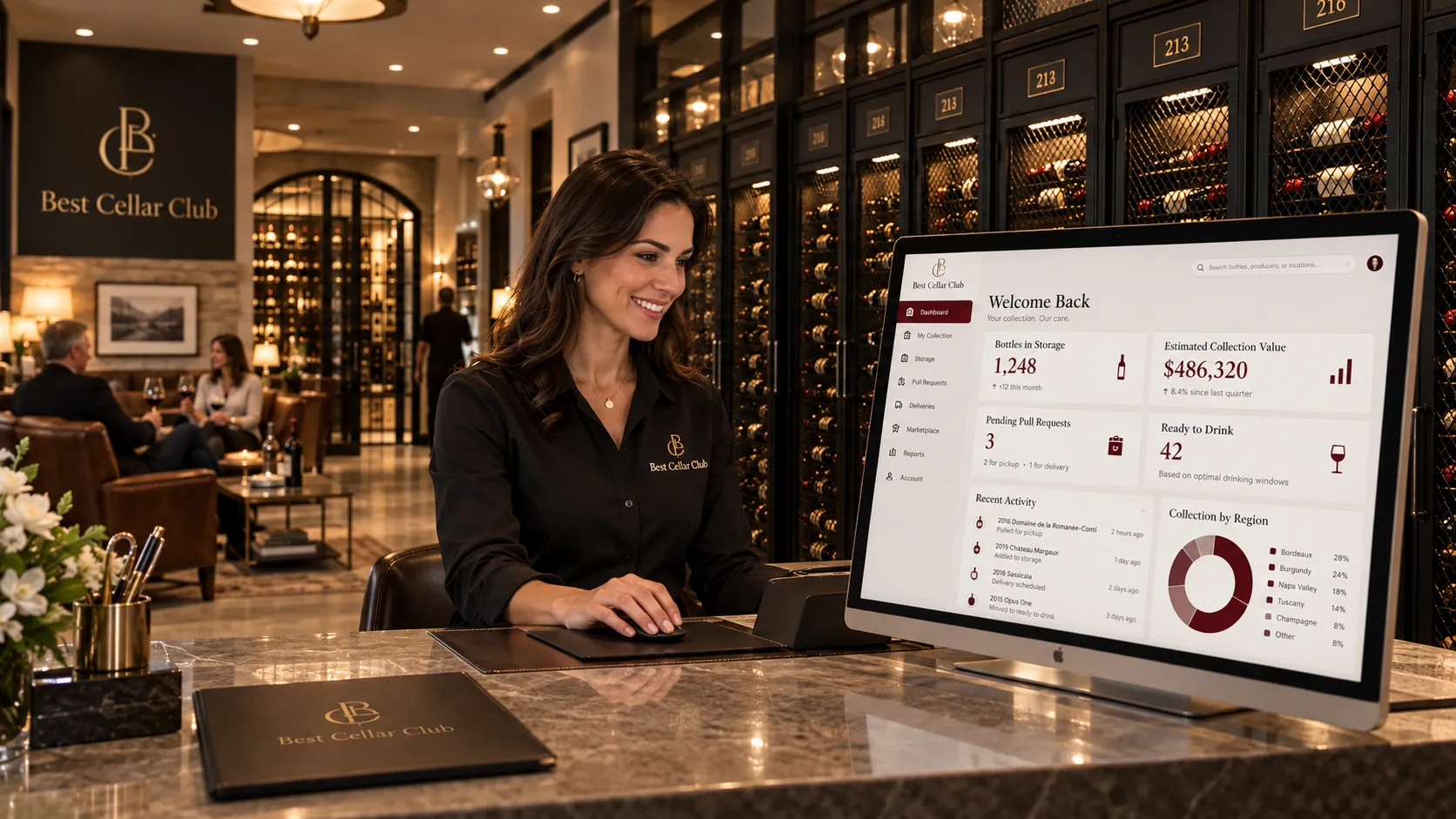
The operator playbook
The Facility Tour That Closes: How to Walk a Prospect Through Your Wine Storage
Everyone who books a tour already assumes your room is cold and your door locks. A tour that closes answers the questions they are actually asking, in the right order, before anyone mentions a price.
Read the playbookFor the people who run the cellar.
Selling on the tour, marketing in your own town, talking to members and choosing the right software.
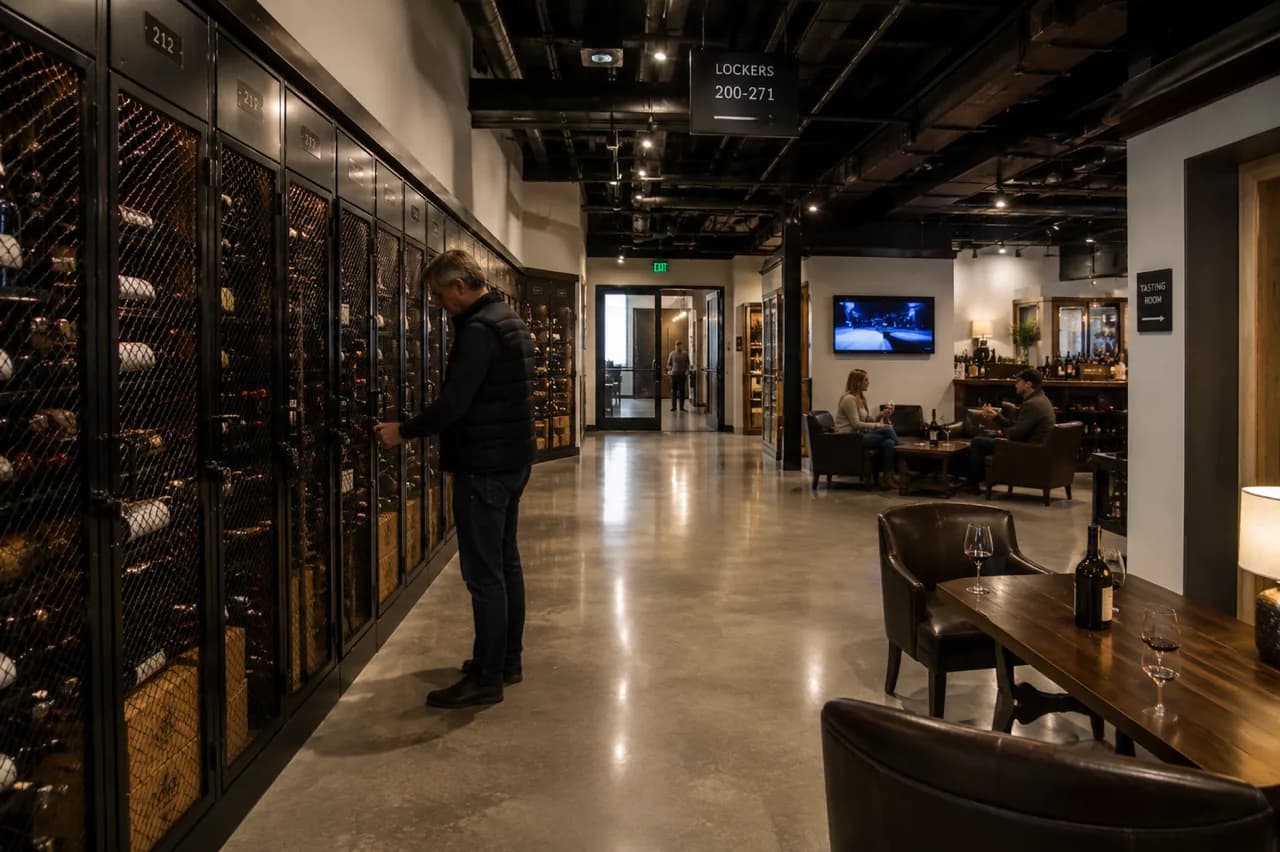
Seven Objections You’ll Hear on Every Wine Storage Tour, and What Good Operators Say Back
The same handful of hesitations come up on almost every tour. Here is what sits underneath each one, and how experienced operators answer honestly without sounding like they are selling.
Read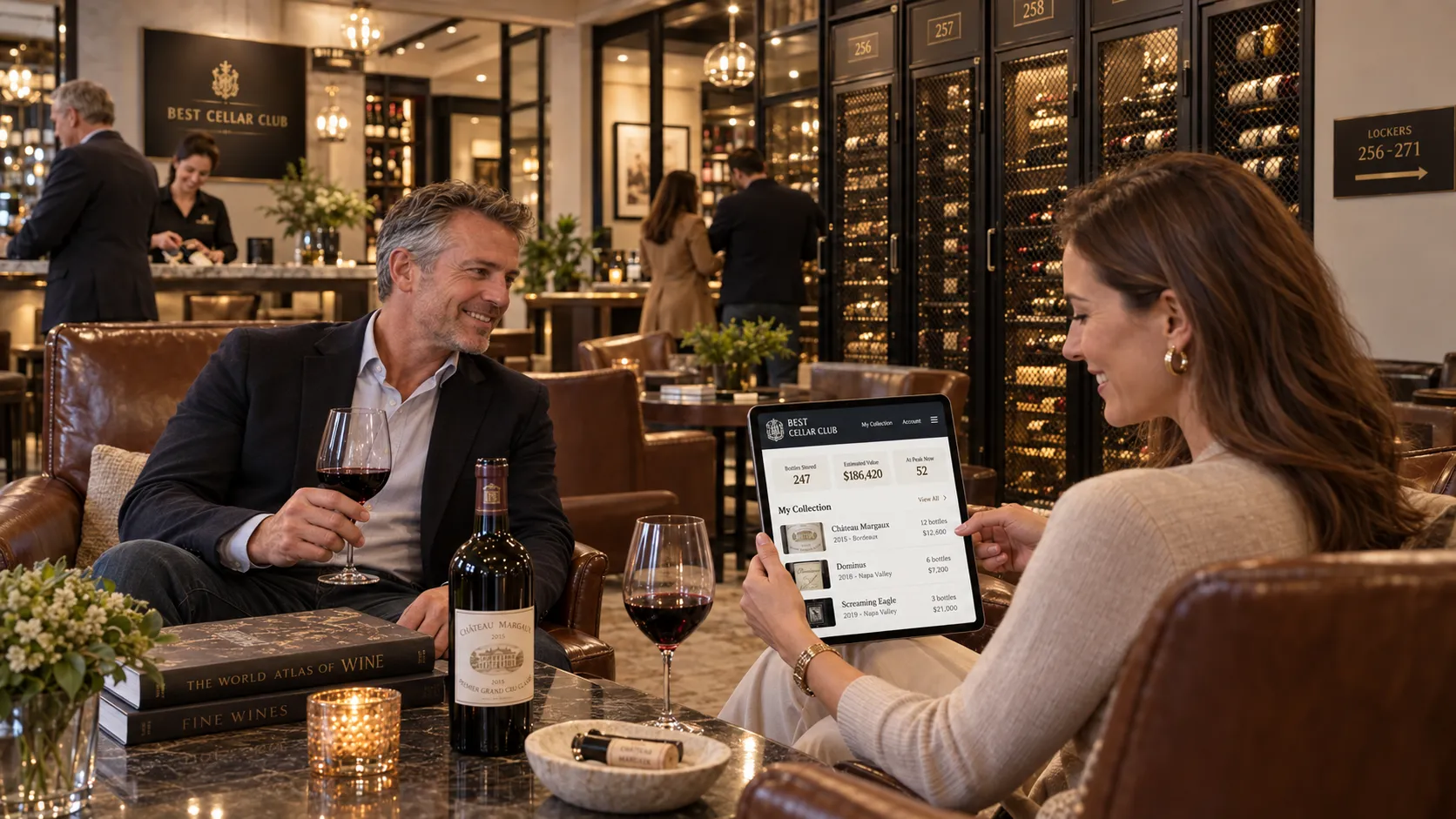
After the Tour: The Two Weeks That Decide Whether a Prospect Becomes a Member
A good tour creates intent, and intent fades fast. Here is a follow-up rhythm for the fourteen days after a visit that keeps the decision warm without making anyone feel chased.
Read
What Your Lobby Says in the First Ten Seconds
Before anyone hears a word about temperature or security, the front of your building has already told them whether you can be trusted with their wine. Here is how to make it say the right thing.
Read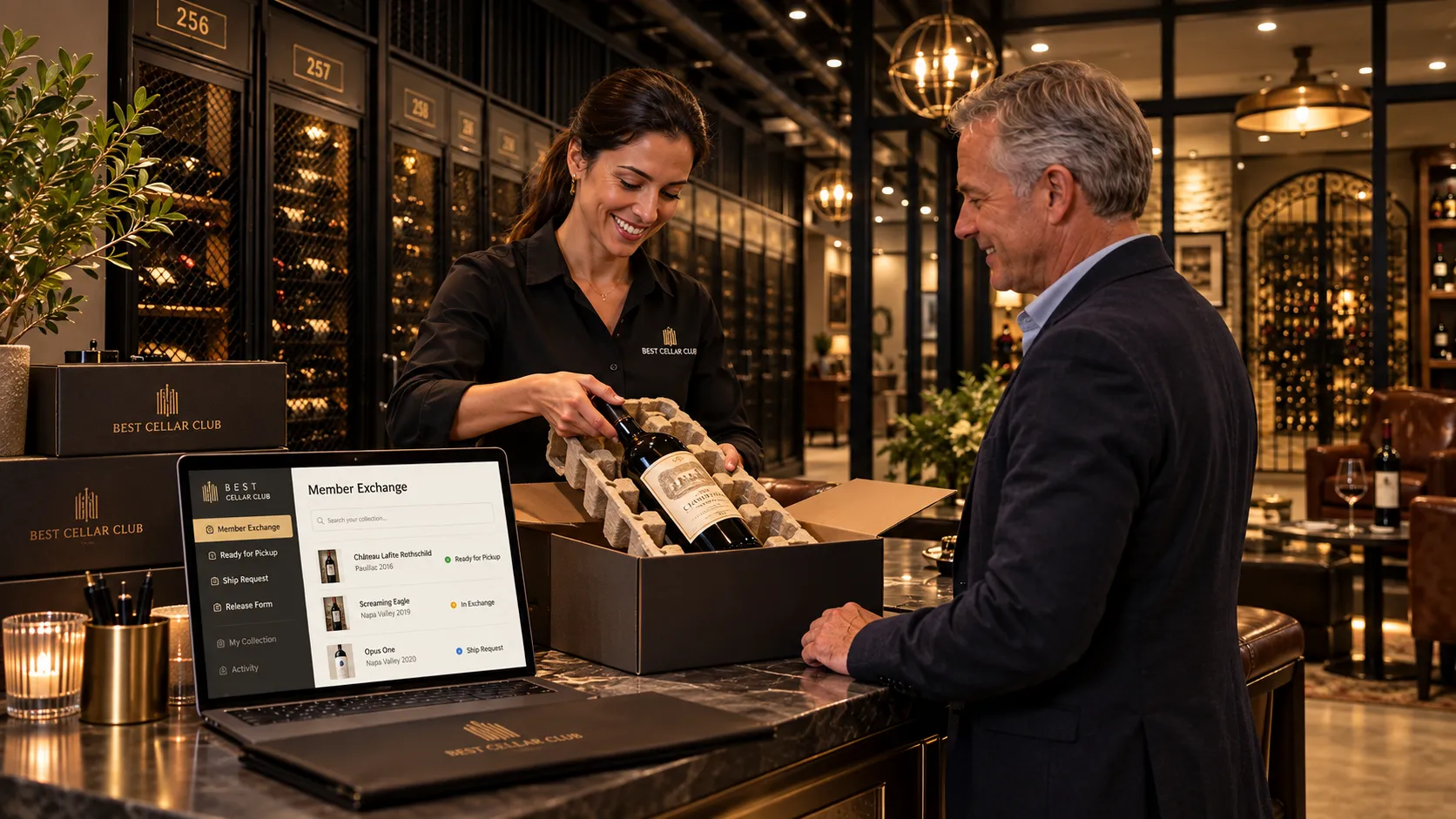
Estates, Divorces and Moves: The Life Events That Send Collections Looking for a Home
Many new members arrive because something in their life changed, not because they went looking for storage. The professionals who see those moments first can become your most dependable source of referrals.
Read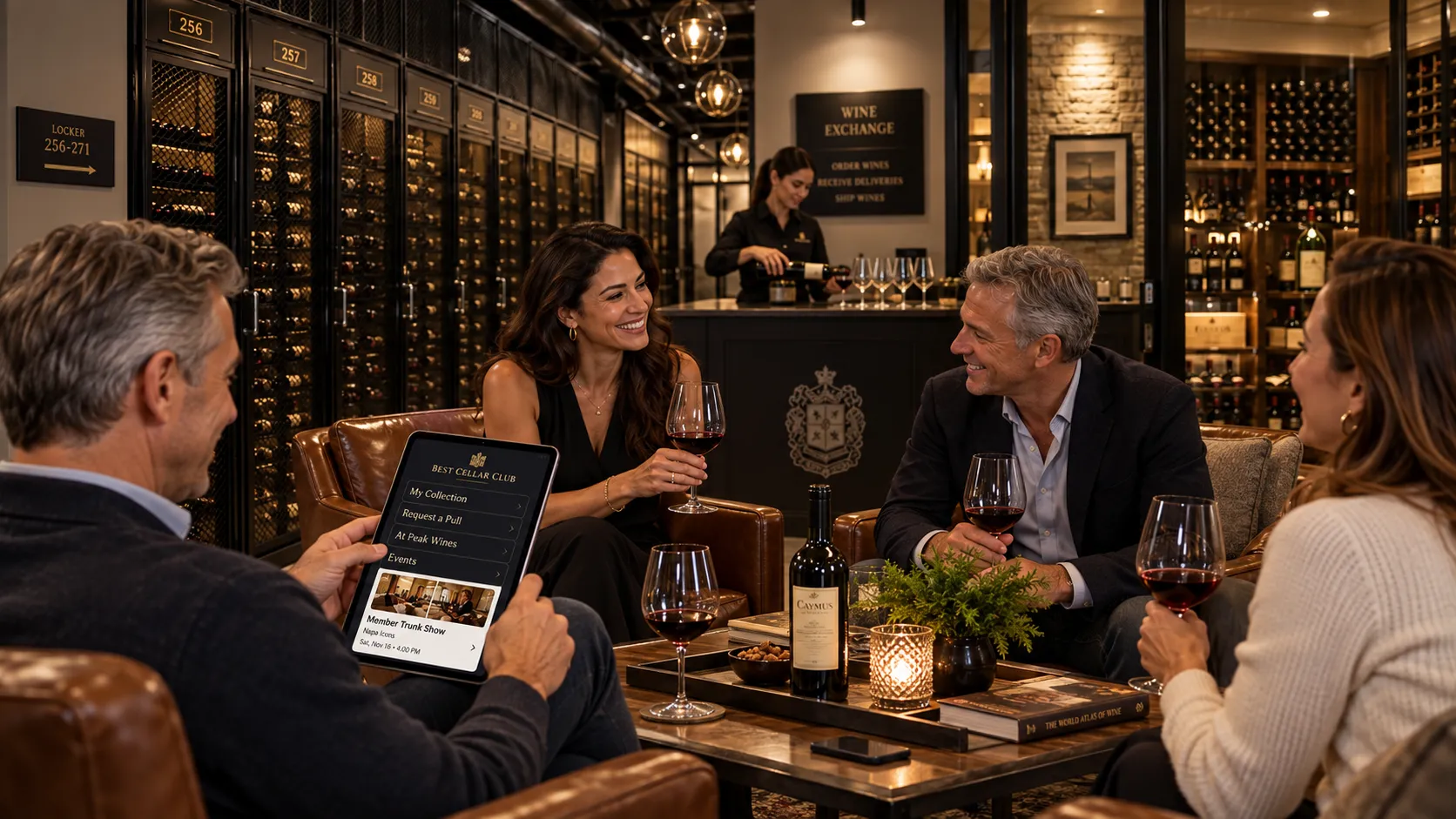
The Charity Auction Lot: Marketing Your Storage Business to Exactly the Room You Want
Galas and charity auctions gather the people most likely to become members, in a mood to spend, for a cause they care about. A well-designed donation can introduce your business to that room better than any advertisement.
Read
Getting Written About in Your Own City: Local Press for a Wine Storage Business
Local journalists are always looking for good stories, and a wine storage business has more of them than most operators realize. Here is how to become the source reporters call, and how to use the coverage once you get it.
Read
Growing Revenue From the Members You Already Have, Without Ever Feeling Pushy
The members already in your building are your best source of growth. The trick is to offer more only where it genuinely makes their lives easier, and to let their own collections tell you when.
ReadThe Monthly Member Update People Actually Open
Most club newsletters are about the club. The update members look forward to is about their own cellar, with their own numbers in it, written by a person they know.
ReadThe First 90 Days of a New Member: A Communication Plan That Builds Trust Early
The first three months shape how a member feels about you for years. Here is what to say, and when, from the day they sign to the day they first open a bottle you kept for them.
ReadWhen Something Goes Wrong: How to Talk to Members Through Outages, Heat Waves and Mistakes
Every storage business eventually has a bad day. How you communicate in the following hours decides whether members lose trust or gain it. Here is how to prepare, and what to say.
Read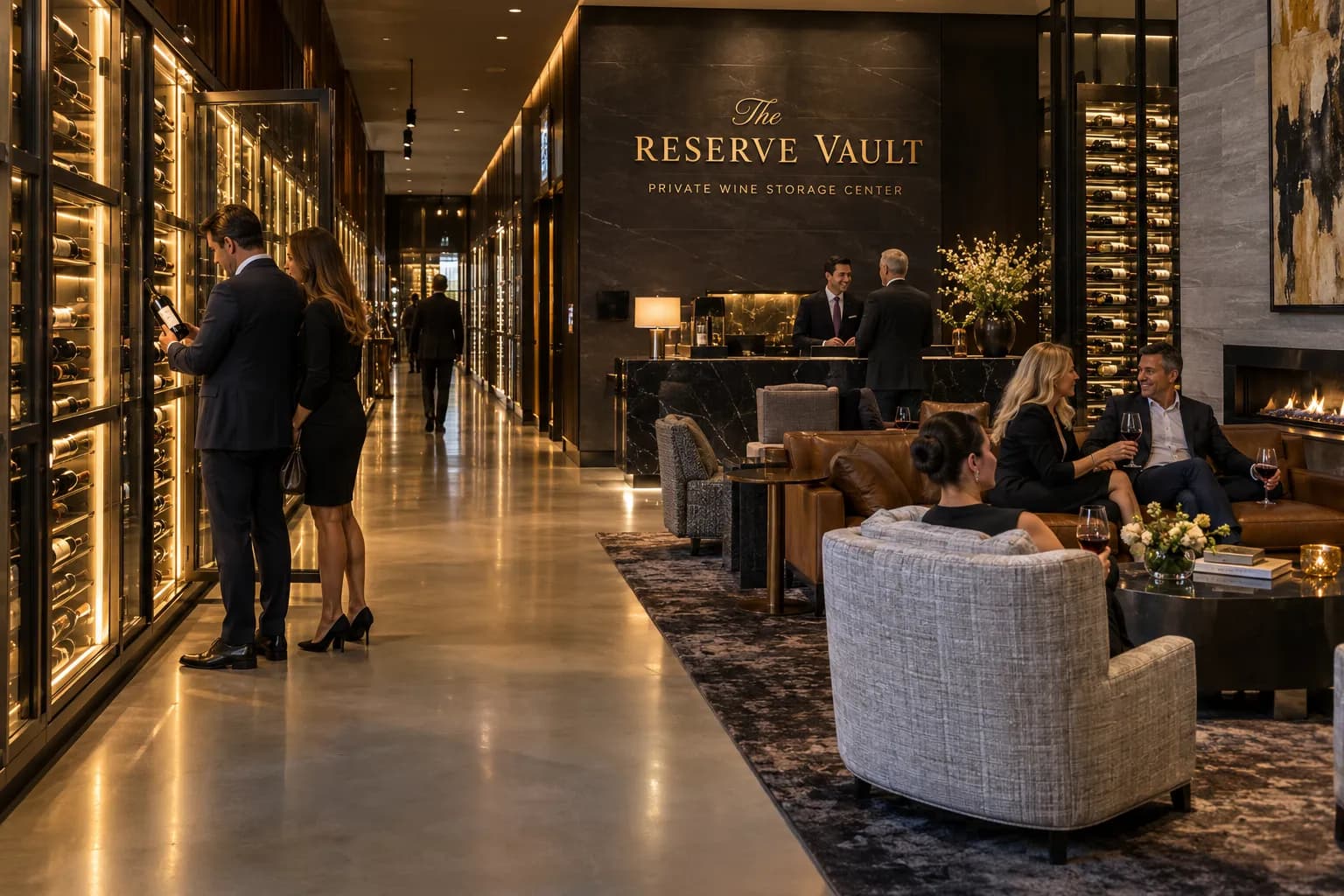
Wine Storage Trends for 2027: What Operators Should Be Planning For Now
Collectors are changing, expectations are rising and the business of storing wine is becoming more social, more visible and more documented. Here is what we are hearing from operators, and how to prepare.
ReadThe Wine Storage Software Buyer’s Guide: Twelve Questions to Ask Before You Sign
Software you choose today will hold your records for years. These are the questions that separate a system that genuinely runs a cellar from one that just lists bottles.
Read
Whose Name Do Your Members See? The Case for a White-Label Member Portal
When members open their collection on their phone, the brand they see becomes the relationship they have. Here is why your name should be the one on the screen, and what to look for.
Read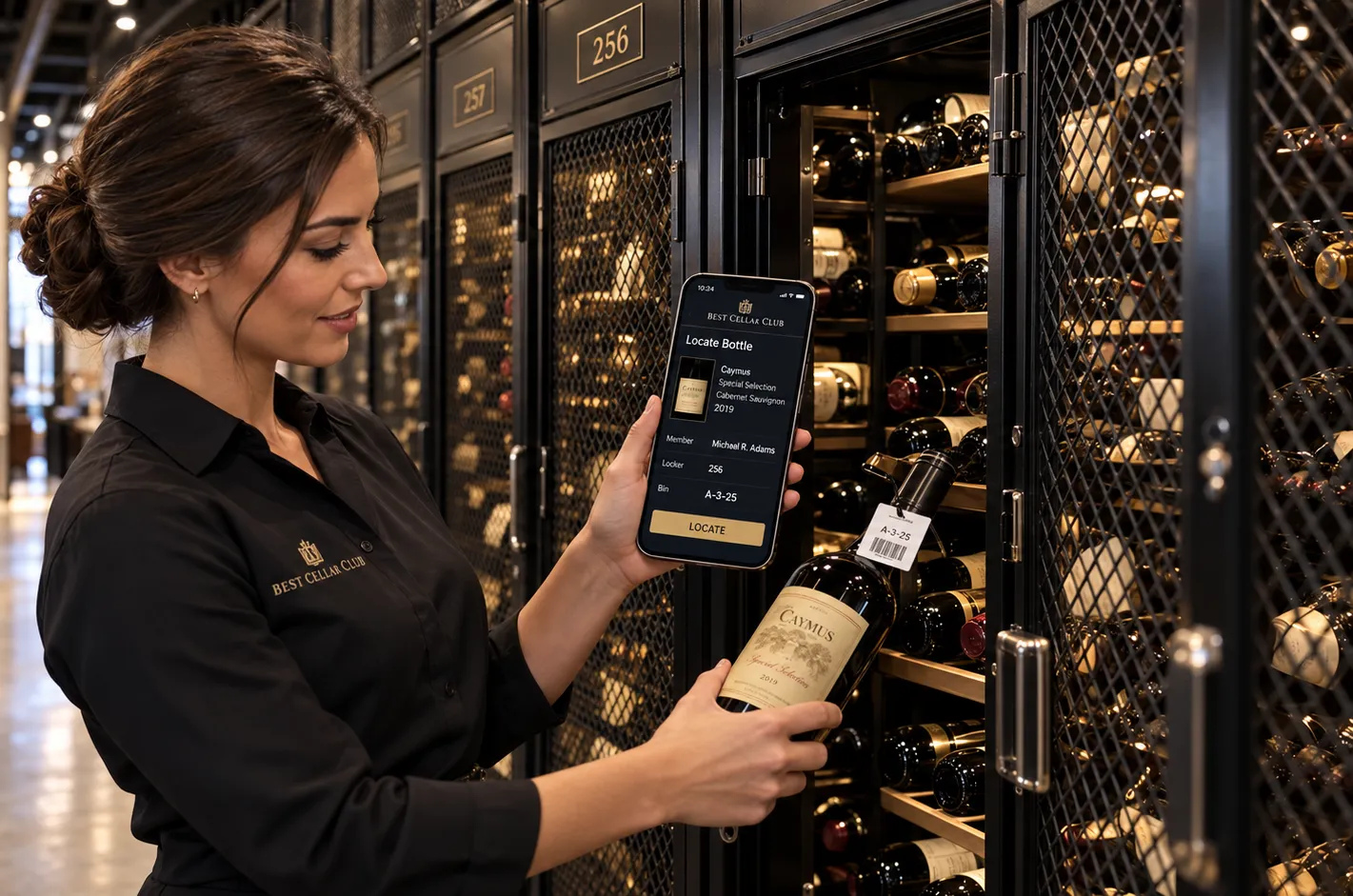
AI at the Intake Desk: Where It Saves Hours, and Where a Person Still Decides
Artificial intelligence can read a label, fill in the details and suggest a value in seconds. It still can’t judge a fill level or vouch for provenance. Here is how to use it well at intake.
ReadThe collector’s library
Collecting, cellaring and stewardship.
Sommelier-level guides your members will find genuinely useful. Share them freely.
CellarTracker vs. Vivino vs. Winery Insider vs. Best Cellar Club: Which Wine Platform Is Right for You?
Four tools, four jobs. A clear-eyed look at cataloging, discovery, allocation buying — and the one platform built to actually run a cellar.
Read the comparisonFine Wine Collecting Trends to Watch in 2026
Champagne as a serious cellar category, the great Burgundy reset, premium Italy, and why provenance is now a price.
ReadThe New Collector Boom: How a Younger Generation Is Reshaping the Cellar
Digital-native, experience-driven, and impatient with binders — the new collector is changing what a cellar is for.
ReadBeyond Bordeaux: The Regions Serious Collectors Are Buying Now
Piedmont, grower Champagne, the Northern Rhône, Etna, and the Mosel — where ageability and value still meet.
ReadThe Science of the Drinking Window: When to Open Your Greatest Bottles
Primary to tertiary, tannin to silk — how a wine matures, what shifts the window, and the real cost of getting it wrong.
ReadProvenance Is Everything: How Storage History Protects Your Collection’s Value
At auction, an unbroken cold chain is worth real money. Here’s how provenance is made — and how it’s lost.
ReadHow to Insure a Wine Collection (and Why Most Collectors Get It Wrong)
Scheduling vs. blanket coverage, keeping appraisals current, and the documentation insurers actually want.
ReadClimate, Humidity, and Light: The Real Cost of Imperfect Storage
55°F and 70% humidity isn’t fussiness — it’s chemistry. What heat, dryness, UV, and vibration actually do to wine.
ReadBuilding a Cellar with Intention: A Sommelier’s Framework
Drink-now, mid-term, and long-haul buckets; balance across style; and why a plan beats a spree.
ReadLarge-Format Bottles: Why Magnums Age More Gracefully
The oxygen-to-wine ratio, the case for the magnum, and how to cellar the grand formats.
ReadWhy Serious Collectors Outgrow the Closet: The Case for Professional Wine Storage
There is a moment every collection reaches when the hall closet stops being charming and starts being a liability. Here is how to know you've reached it — and what professional storage actually protects.
ReadHome Wine Storage Done Right: A Sommelier's Field Guide
Not every bottle needs a professional cellar. A sommelier's practical guide to storing wine well at home — what matters, what doesn't, and the mistakes that quietly ruin good bottles.
ReadWine Fridge, Cellar, or Storage Locker? Choosing Your First Real Storage
A clear-eyed comparison of the three ways collectors store wine — temperature-controlled cabinet, passive home cellar, and professional storage — and how to match each to your collection.
ReadServing Temperature: The Most Underrated Variable in Wine
The single easiest way to make great wine taste mediocre — and mediocre wine taste great. A master sommelier's temperature guide for every style.
ReadDecanting, Demystified: Which Wines Need Air, and Which Don't
Decanting is misunderstood in both directions — over-applied to wines that don't need it, withheld from wines that do. A sommelier's guide to when, why, and how.
ReadHow Long Does Wine Really Last? A Style-by-Style Aging Guide
Most wine is made to drink now — and a small, glorious fraction rewards patience for decades. A clear map of which styles age, how long, and why.
ReadThe Ideal Drinking Window, Region by Region: When to Open the Great Bottles
A practical, region-by-region companion to drinking windows — when Bordeaux, Burgundy, Barolo, Napa, Champagne, and the rest reach their peak, and how to read the year in front of you.
ReadAging White Wine: Why the Best Whites Belong in the Cellar
White wine is the great blind spot of the cellar. The finest whites age as profoundly as any red — and most collectors drink them a decade too soon.
ReadChampagne in the Cellar: Vintage, Disgorgement, and the Reward of Patience
Most Champagne is drunk on the night it's bought. The collectors who know better are quietly cellaring it — because vintage Champagne with age is one of wine's great secrets.
ReadThe 2026 Fine Wine Market: Where the Smart Money Is Moving
After a multi-year correction, fine wine is finding its footing in 2026. A clear read on what's recovering, what's broadening, and how collectors should think about value now.
ReadWhen to Sell: Reading a Bottle's Peak and the Market
Buying is the easy half of collecting. Knowing when to let a bottle go — at its drinking peak, its price peak, or neither — is the discipline few collectors master.
ReadHidden Gems: Underrated Regions Producing Cellar-Worthy Wine in 2026
The smartest value in wine right now lives outside the famous names. A master sommelier's tour of the underrated regions making serious, age-worthy wine — before the rest of the market catches on.
ReadThe Jura, Savoie & France's Quiet Frontier
Eighty kilometers of vines that punch wildly above their weight. Why the Jura — and its alpine neighbor Savoie — became the connoisseur's obsession, and what's worth cellaring.
ReadBeyond Napa: California's Overlooked Age-Worthy Appellations
Napa earns its fame — and its prices. But California's most exciting age-worthy values are increasingly found in the appellations next door. A collector's map.
ReadGermany & Austria: Riesling's Case for the Cellar
The wine world's most chronically underrated grape is also one of its most age-worthy. Why serious collectors are quietly building Riesling verticals — and what to buy.
ReadBurgundy for the New Collector: Making Sense of the World's Most Confusing Region
Burgundy is the collector's summit and its most bewildering maze. A master sommelier's orientation — the hierarchy, the producers-over-labels rule, and how to start without overpaying.
ReadBuilding a 100-Bottle Cellar That Drinks Beautifully for a Decade
A blueprint for a small, intentional cellar — one that always has something ready to drink, something worth waiting for, and no dead weight. A sommelier's allocation.
ReadThe Collector's Guide to Buying at Auction — and Securing Provenance
Auctions open doors to wines you can't buy any other way — and carry risks the unprepared never see coming. How to buy smart, read a lot, and never overpay for a question mark.
ReadReading a Wine for Maturity: Color, Fill, Cork, and the Cues That Don't Lie
Before you ever pull a cork, a bottle tells you how it has lived and where it is in its life. A master sommelier's guide to reading the signs — in the glass and on the bottle.
ReadStorage as an Asset: How Provenance Protects (and Grows) Resale Value
Two identical bottles, two very different prices — and the difference is everything that happened between purchase and sale. Why storage is not a cost center but an asset strategy.
ReadHow to Start a Wine Storage Business: A 2026 Playbook
A practical 2026 playbook for launching a fine-wine storage business — demand, facility, climate systems, security, legal, pricing, and your first members.
ReadConcierge vs. Locker Wine Storage: Which Model Should You Offer?
Concierge vs. locker wine storage compared for operators — economics, labor, member experience, and when offering both models makes the most sense.
ReadHow to Price Wine Storage: A Guide for Cellar Operators
How to price wine storage — locker vs per-case concierge rates, annual leases, discounts, add-on services, and the margins that keep a cellar profitable.
ReadBuild vs. Buy: Software for Running a Wine Storage Business
Build vs. buy software for a wine storage business — spreadsheets, custom development, and white-label platforms compared on cost, speed, and member experience.
ReadThe Economics of a Climate-Controlled Wine Storage Facility
The unit economics of a climate-controlled wine storage facility — capex, opex, capacity, revenue per square foot, break-even, and why recurring revenue is so attractive.
ReadFrom Wine Shop to Members’ Club: Adding Storage as a Revenue Stream
How independent wine retailers turn professional storage and membership into recurring revenue, deeper client relationships, and a defensible local moat.
ReadWhat Serious Collectors Actually Want From a Storage Provider
The serious collector’s real checklist for choosing a wine storage provider — climate integrity, security, provenance, easy retrieval, transparency, and discretion.
ReadChain of Custody: How Great Storage Businesses Earn Trust
Why documented handling, release forms, audit trails, and accurate inventory protect both the collector and the operator — and preserve a wine’s resale value.
ReadHow Much Does Wine Storage Cost? A 2026 Breakdown
Real 2026 numbers for wine storage — home versus off-site, locker versus concierge, per-bottle and per-case ranges, hidden costs, and whether it is worth it.
ReadThe True Cost of Poor Wine Storage
How heat, temperature swings, light, vibration, and bad humidity quietly destroy wine value — the signs of a cooked bottle and the math of one ruined case.
ReadHow to Build a Wine Cellar Inventory System That Actually Works
A practical guide to cataloging, tagging, and tracking a growing wine collection — from bin locations and drink windows to keeping valuations current when spreadsheets stop scaling.
ReadWine as an Investment: Returns, Risks, and the Reality
An honest look at fine wine as an asset class — how it has behaved versus equities, what actually appreciates, and why provenance, storage, and fees quietly gate whatever returns you might earn.
ReadHow to Value a Wine Collection
The methods that actually put a defensible number on a cellar — market and auction comps, Wine-Searcher, and formal appraisal — and why condition and provenance move value as much as the label.
ReadHow to Organize a Wine Cellar
A practical framework for organizing any cellar so every bottle is findable — by region, varietal, or drink window — with a drink-soon zone, a plan for large formats, and a system that scales as you grow.
ReadIs My Wine Past Its Peak? How to Tell Before You Pull the Cork
How to read a bottle’s maturity from vintage, style, storage history, fill level, and color — the signs a wine is over the hill, and how to decide what to open now versus hold.
ReadBordeaux En Primeur: Is It Still Worth Buying?
En primeur once guaranteed the lowest entry price on top Bordeaux. In a softer market, it pays only under specific conditions. Here is when Bordeaux futures still make sense for a serious cellar.
ReadCollecting Barolo and Barbaresco: A Guide to Nebbiolo
Nebbiolo is one of the world’s great cellar grapes, capable of decades of evolution. A collector’s guide to Barolo and Barbaresco: style, communes, producers, vintages, and why patience pays.
ReadVintage Port: The Collector’s Long Game
Declared only in the finest years and built to age for decades, Vintage Port is one of the great long-horizon collectibles. A guide to declarations, single-quinta bottlings, decanting old Port, and storage.
ReadBuilding a Napa Cabernet Vertical
A vertical, multiple vintages of one wine cellared side by side, is one of the most rewarding projects a collector can undertake. How to build one around age-worthy Napa Cabernet and serve it well.
ReadHow to Build a Serious Cellar for Under $10,000
A serious, age-worthy cellar does not require a limitless budget. A practical framework for allocating under $10,000 across value regions, drink-now bottles, and long-term lay-downs, and storing it right.
ReadStoring Wine in a Hot Climate: What Collectors Get Wrong
Heat and temperature swings do more damage to fine wine than any other variable. Here is what collectors in Texas, Arizona, the South, and Mediterranean climates get wrong, and how to protect a cellar at 55°F.
ReadOld World vs. New World: How Origin Changes the Way Wine Ages
Structure, acid, tannin, and alcohol age differently depending on where a wine was grown. Here is how classic Old-World and riper New-World styles evolve, and how to cellar each one on its own curve.
ReadWine Provenance and Blockchain: Hype vs. What Actually Protects Value
Provenance is priced into every fine-wine transaction, and counterfeiting is a real threat at the top of the market. Here is an honest look at what blockchain and tokenized provenance can and cannot solve, and why documented storage and chain of custody remain the real safeguards.
ReadThe Rise of the Wine Concierge
Fine-wine storage is shifting from a box you rent to a service you rely on. Collectors now expect on-demand pulls, drink-window guidance, appraisals, events, and an app, and the storage businesses that win are the ones that deliver it.
ReadAI and the Modern Cellar: What Actually Helps a Collector
AI is arriving in the world of wine collecting with plenty of hype. Here is an honest look at where it genuinely helps a collector, from drinking-window guidance to pairing and label recognition, and where the human sommelier still matters most.
ReadHow to Start a Wine Storage Business: Demand, Space, Licensing, and the Numbers
Wine storage is one of the few storage niches where revenue per square foot can rival prime retail. Here is a practical startup guide for operators: how to read local demand, build the space, navigate licensing, and model unit economics that actually work.
ReadWine Storage Pricing: How to Set Rates That Fill the Facility and Fund the Service
Per-case tiers, locker leases, monthly minimums, and service fees: a practical comparison of the pricing models working in wine storage today, with real benchmark numbers and the mistakes that quietly bleed revenue.
ReadClimate Control Standards for Commercial Wine Storage: 55 Degrees, Redundancy, and Proof
The climate plant is the product. Here are the engineering standards a commercial wine storage facility must hit: the 55°F set point, 55 to 75 percent humidity, redundant refrigeration, generator backup, and monitoring that can prove it all.
ReadInsurance for Wine Storage Operators: Bailee Coverage, Valuation, and the Gaps That Sink Facilities
The moment you take custody of someone else's wine, you take on liability your general policy almost certainly excludes. A working guide to bailee and warehouse legal liability coverage, valuation, appraisals, and where member insurance fits.
ReadWine Locker Programs: Turning a Wine Shop's Back Room into Recurring Revenue
A wall of climate-controlled lockers turns a wine shop's square footage into subscription revenue and turns good customers into locked-in regulars. Here is how retail locker programs work, what they earn, and how to launch one well.
ReadThe Concierge Wine Storage Model, Explained: Intake, Per-Box Billing, Pulls, and Holding Areas
Full-service concierge storage is the highest-margin model in the wine storage business, and the most operationally demanding. Here is how the model actually works, from intake and per-box billing to pull requests and will-call holding areas, and what it takes to run it profitably.
ReadMember Experience and Retention: What Keeps Wine Storage Clients for Decades
Wine storage is one of the stickiest recurring-revenue businesses there is, but only for operators who earn it. Here is what actually keeps members for decades: onboarding done right, portal visibility, drink-window guidance, honest communication, and a community worth belonging to.
ReadInventory Accuracy in the Wine Warehouse: Bins, Barcodes, Audits, and Why Spreadsheets Fail at 10,000 Bottles
In a wine storage operation, inventory accuracy is the product. Here is how professional facilities structure bin and zone location systems, why barcode and QR workflows beat manual entry by orders of magnitude, how cycle-count audits work, and exactly why spreadsheets collapse as a facility scales.
ReadProvenance Documentation for Fine Wine: Chain of Custody, Resale Value, and the Records That Matter
Provenance is priced into every fine-wine transaction, and the storage facility is where most of it is actually created. Here is how chain-of-custody documentation works, why it can swing resale value by double-digit percentages, and the specific records a professional operation should keep.
ReadSecurity Best Practices for Wine Storage Facilities: Access Control, Surveillance, Alarms, and Insurance
A wine storage facility concentrates millions of dollars of portable, resellable property in one building. Here is how professional operators layer their security: PIN and credential access, per-entry logging, camera coverage, intrusion and environmental alarms, and the insurance requirements that tie it all together.
ReadTurning Your Wine Shop Into a Storage Hub: The Retailer's Second Business
Wine retailers are sitting on the ingredients of a second business: trusted relationships, wine-savvy staff, and underused square footage. Here is how a shop adds climate-controlled storage, what the margins actually look like, and why storage members become your best retail customers.
ReadBilling Operations for Wine Storage: Getting Paid Without Losing Members
Storage revenue is only as good as the billing behind it. Here is how well-run facilities handle first-of-the-month counts, draft-review-charge workflows, proration, failed payments, and the disputes that quietly erode member trust.
ReadOnboarding a 5,000-Bottle Collection: Intake Without Chaos
Landing a large collection is the best day in a storage operator's month, and the riskiest. Here is a field-tested intake process for 1,000 to 10,000 bottle collections: pre-arrival data, receiving-day workflow, bin assignment, verification, and the discrepancy report that protects everyone.
ReadMember Events: How Tastings and Community Turn a Warehouse Into a Club
Tastings, trunk shows, and member wine shares are not marketing garnish for a storage business. They are the retention engine. Here is why events work, what formats fit a storage facility, and how to run a calendar that pays for itself in loyalty and referrals.
ReadWine Storage Software vs. Spreadsheets: An Honest Comparison
Nearly every storage operation starts life in Excel, and for good reason. Here is a clear-eyed look at what spreadsheets do well, the three walls every growing facility hits, locations, billing, and member access, and how to know when it is time to switch.
ReadMarketing a Wine Storage Business Locally: SEO, Partnerships, and Referral Loops
Wine storage is won or lost within a thirty-minute drive of your facility. Here is how operators fill lockers with local SEO, partnerships with wine shops, auction houses, and estate attorneys, and referral loops that compound year after year.
ReadRestaurant Wine Programs and Offsite Storage: Why Somms Are Moving the Cellar
Reserve lists, deep verticals, and stockpiled allocations do not fit in a restaurant's back room. Here is why restaurant groups and sommeliers are moving cellars offsite, and how storage operators can build a trade business around them.
ReadSeasonal Demand in Wine Storage: Heat Surges, Holiday Gifting, and Auction Cycles
Wine storage demand is not flat. Summer heat drives emergency intakes, the fall auction season moves collections, and the holidays fill receiving docks. Here is how the year actually flows, and how to plan capacity, staffing, and pricing around it.
ReadStaffing and Training a Wine Storage Facility: Roles, Handling, and Service Standards
A wine storage business is only as good as the hands that touch the bottles. Here is how to structure roles, train handling from day one, set concierge service standards, and run access controls that protect members and staff alike.
ReadScaling a Wine Storage Business to Multiple Locations
The second location is where wine storage operators discover what was really holding their business together. Here is when expansion makes sense, the economics of site two, and the brand standards and systems that have to travel with you.
ReadReady to give your members the cellar they deserve?
Two minutes to see it, fifteen to talk it through, live within days.