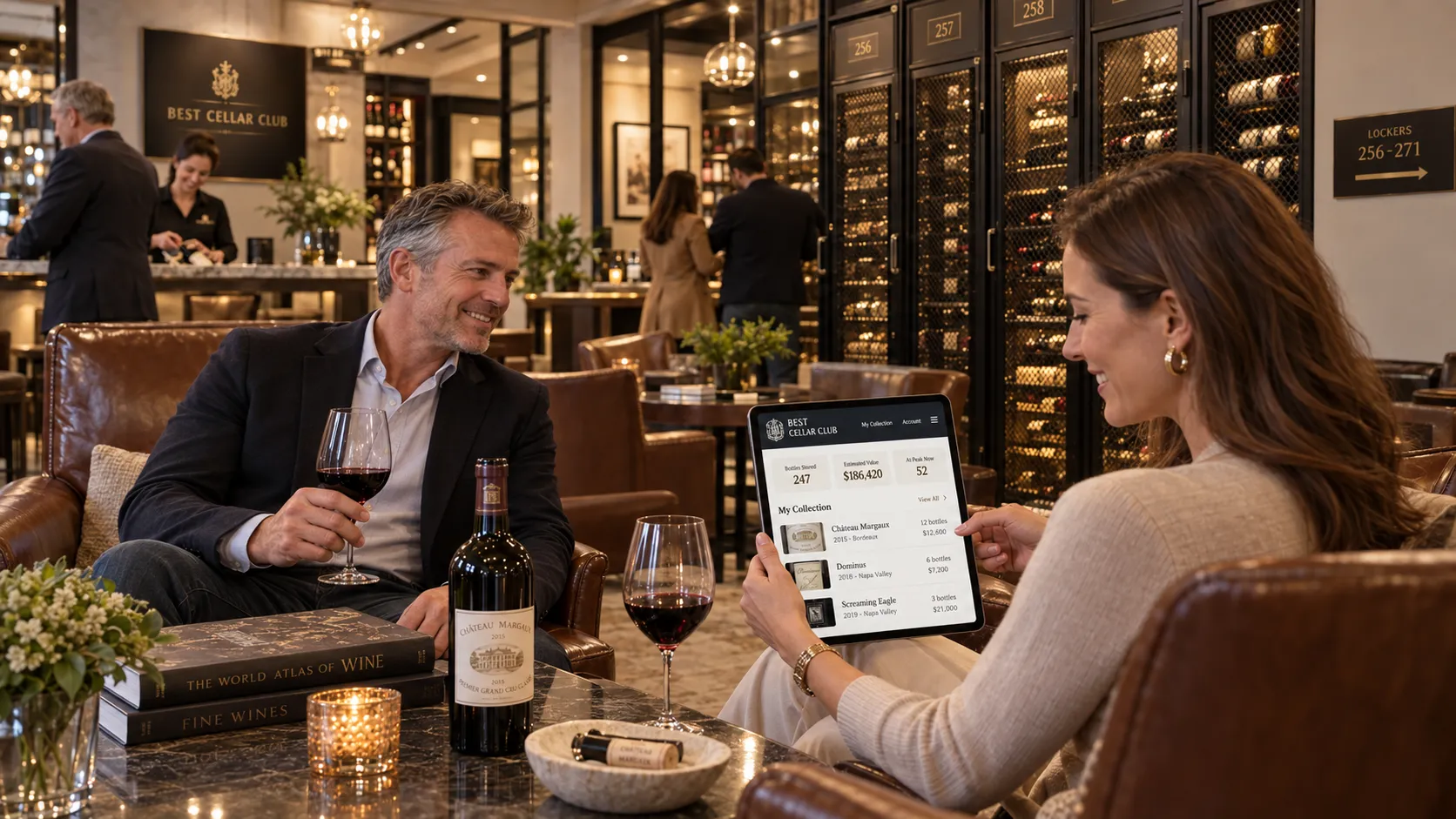
Most memberships are not lost on the tour. They are lost in the quiet week afterwards, when the prospect goes back to work, the glow of the lounge fades, and the decision drifts from “we should do this” to “we should really look at that again sometime.” Nobody decides against you. They simply stop deciding.
A thoughtful follow-up rhythm prevents that drift. It isn’t about persistence for its own sake. It is about staying useful and present during the short window when someone is genuinely considering a change, so that when they are ready to decide, you are the easiest possible choice.
The same evening: a summary worth forwarding
Send a short note the same day, ideally within a few hours of the visit. Keep it personal and brief. Thank them by name, mention one specific thing they told you, restate the plan you recommended and its monthly cost, and propose a date for intake. Five or six sentences is right. A long email reads like marketing and gets saved for later, which in practice means never.
Write it so it could be forwarded to a partner or a financial adviser without any explanation, because it often will be. That means no internal jargon, no attachments that need opening, and the price stated plainly rather than tucked inside a brochure. If you took a photo of the room they liked most, or of the locker size you recommended, include it. People remember rooms, not rates.
Days two to four: send something genuinely useful
Your second touch should not be a nudge. It should be help. The prospect told you something on the booking call and the tour, so send something that speaks to it. For the family with the renovation, a simple checklist for getting a collection out of a house safely. For the person who inherited a cellar, a note on how you would inventory and value it. For the collector worried about heat, a short explanation of how your monitoring and backup power actually work.
This message does two things. It proves you were listening, and it moves them closer to a decision by solving part of the problem in advance. Keep it clearly personal. A generic newsletter at this stage feels like being dropped into a mailing list, which is the opposite of the feeling you created in person.
Around day six: pick up the phone
By the end of the first week, call. Not a text, not another email. A short, friendly call to ask if the summary made sense and whether anything came up when they talked it over at home. Calls feel old-fashioned, which is exactly why they work. Very few businesses make them anymore, and a warm voice from the person who gave the tour is remembered.
Go into the call with one real question rather than a script. “Did the concierge plan still feel right once you talked about it, or were you leaning towards a locker?” invites a real answer. “Just checking in!” invites a polite brush-off. If they are ready, book the intake right there on the call. If they are not, find out what is in the way.
Days ten to fourteen: the respectful close
If you still haven’t heard a decision by the second week, it is fair to ask for one. The most graceful way is to tie it to something real, like the intake date you are holding. “I’ve been holding Thursday the 21st for your intake. Would you like me to keep it, or release it for now and we can find another time later?” It is honest, it is specific, and it gives them an easy way to say either yes or not yet.
Many people will say yes at this point, because they were intending to and simply needed a reason to act. Others will tell you it isn’t the right time. That answer is useful too. Thank them properly, ask whether they would like to hear about member events, and set a reminder to check in again in a season or two. A “not now” handled well is often a “yes” six months later.
Tell them what the first month will feel like
One of the most persuasive things you can do during follow-up is make the future concrete. Explain what happens on intake day, how long it takes to record everything, and when they will be able to see their full collection on their phone. People commit more readily to things they can picture, and very few storage businesses bother to describe the member experience beyond the room itself.
This is where your software becomes part of the pitch. If every bottle is recorded at intake and shows up in the member’s portal once it is filed, you can promise that a collector will be browsing their own cellar on their phone within days of the pickup. For someone who has never had a complete list of their own wine, that single promise is often the thing that tips the decision.
Keep a simple pipeline, whatever you use
None of this works if you rely on memory. Keep a list of every open prospect with the date of their tour, the plan you recommended, the last contact and the next planned step. A spreadsheet is fine. So is whatever sales tool you already use. What matters is that you can glance at it every Monday and see exactly who needs a call this week.
Review it honestly each month. How many tours turned into members, and after how many days? Which follow-up step seems to produce the most decisions? You will almost certainly find that the operators and staff who follow up quickly and personally convert far more tours than those who wait for the phone to ring, and you will know exactly where to put your effort.
Words that work, and words that don’t
The wording of each message matters more than its length. Subject lines that name something specific to the prospect get opened: “The plan we talked about for your 400 bottles” beats “Following up” every time. Opening lines that refer back to the visit, such as “It was a pleasure showing you and Anna around on Thursday,” tell the reader at once that this is a personal note and not a template.
Some phrases quietly work against you. “Just checking in” signals that you have nothing to say. “Any thoughts?” puts the whole burden of the conversation on them. “Let me know” ends every message with a shrug. Replace them with something concrete: a question they can answer in one line, a date you are holding, or a piece of information they asked for. Every message should give the reader either something useful or an easy next step, and ideally both.
If a prospect goes quiet after the second week, don’t take it personally and don’t chase harder. Send one final, gracious note saying you’ll release the intake date and that the door is open whenever the timing suits them. A surprising number of people reply to that message, precisely because it asks nothing of them.
What not to do
Don’t send the same message twice with “just bumping this up.” Don’t offer an unprompted discount to create urgency, which teaches people that your price is negotiable and that waiting pays. Don’t add them to a marketing sequence without asking. And don’t go silent after the first email because you worry about bothering them. Silence reads as indifference, and indifference is the one thing a collector cannot accept from someone caring for their wine.
The right follow-up feels like the tour continuing at a gentler pace. Same person, same attention, same respect for their time. Do that for two weeks and you will keep far more of the interest you worked so hard to create.
Built for this. When a prospect is deciding, tell them exactly when they’ll first see their collection on their phone. With Best Cellar Club, bottles recorded at intake appear in the member’s portal as soon as they’re filed. Take the 2-minute tour →